Carmen Reimagined: An International Cast and Creative Team Explore Aggressive Seduction, Social Divide, and Moral Decay
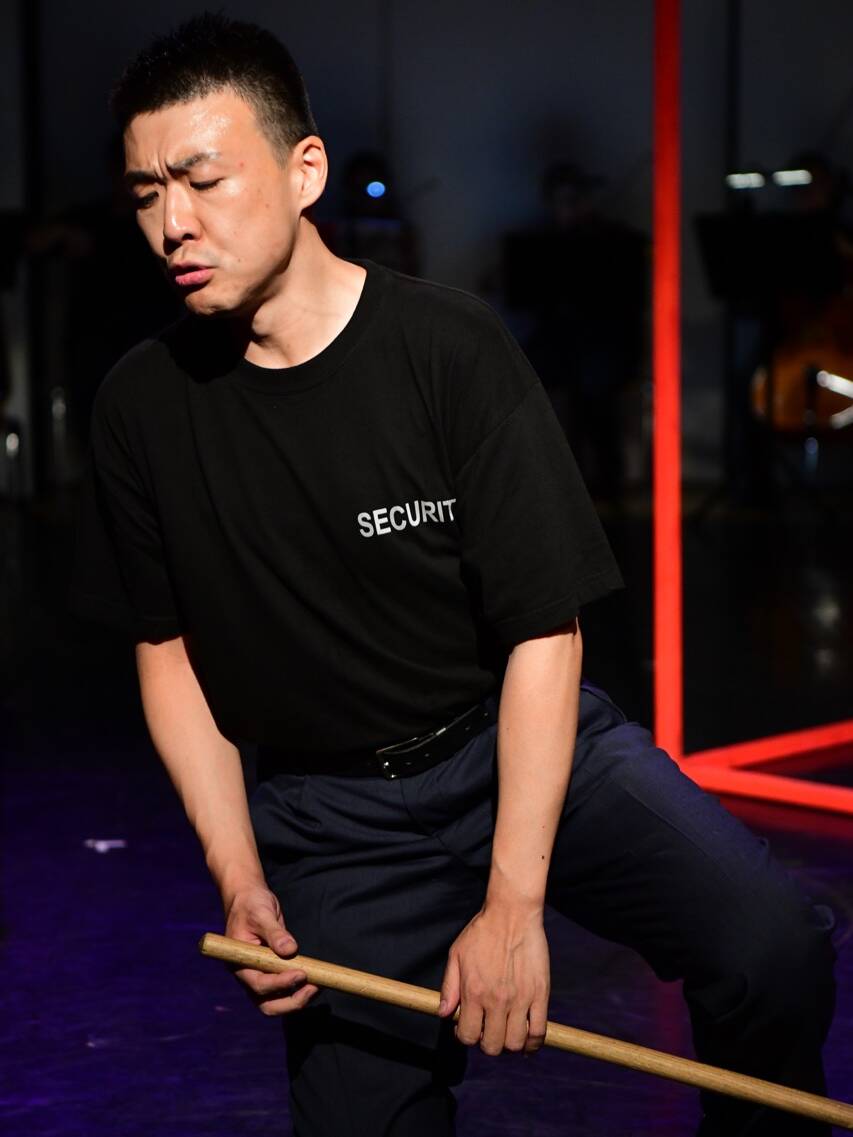
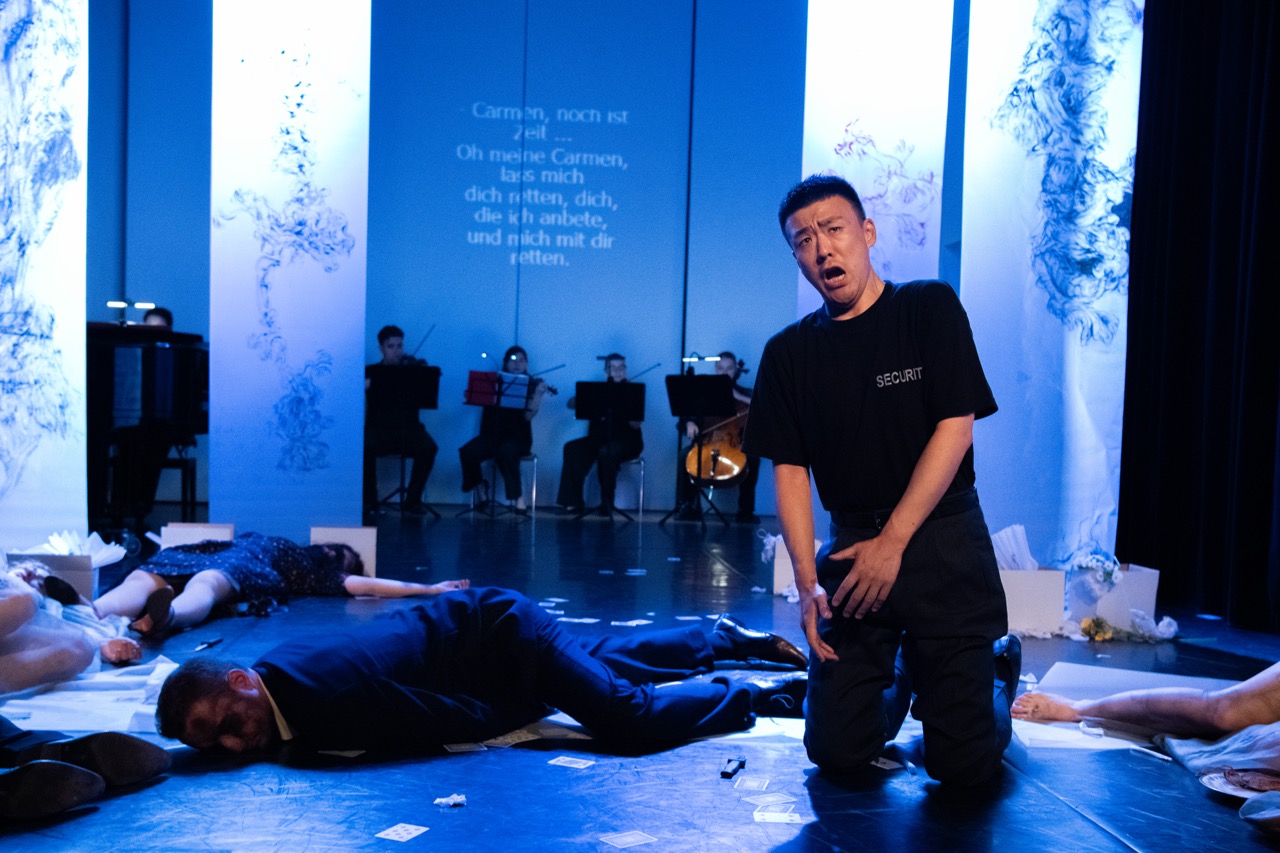
This production brings together an international artistic team and cast under the musical direction of conductor David Holzinger and director Heather Tan, with Felicia Gulda responsible for stage design and Aleksandra Juszczak as orchestra manager and members of the Eva Marton Opera Studio, Hungary. The role of Carmen is performed by Helene Feldbauer, with Escamillo/Dancaire sung by Matthias Kofler and David Höfel, and Don José portrayed by Luka Gudelj and Michael Long. Micaëla is performed by Gabriella Fenyevsi and Ekaterina Spiakovskaia, while Mercedes is sung by Amelie Alù and Milena Pumberger and Frasquita by Anija Lombard and Olena Herneha. The cast is completed by Christopher Ungerböck as Remendado and Alexander Dimitrov and Benedikt Berndonner as Zuniga. The production is supported by Stadt Wien Kultur, Neubau Wien, Singapore Global Network, Collegium Hungaricum Wien / Collegium Hungaricum Bécs, and Eurasya, and Evergreen consultancies in collaboration with Opera Asia.

The concept for Carmen portrays aggressive seduction leading to death: a dark, immoral, and consequential theme. The opera is shaped by a sense of foreboding, with many symbolic “predictions” and a dramatic arc that moves from pure light into complete darkness. The central symbol of the production is the cigar, representing luxury and mass production, and highlighting the divide between rich and poor.

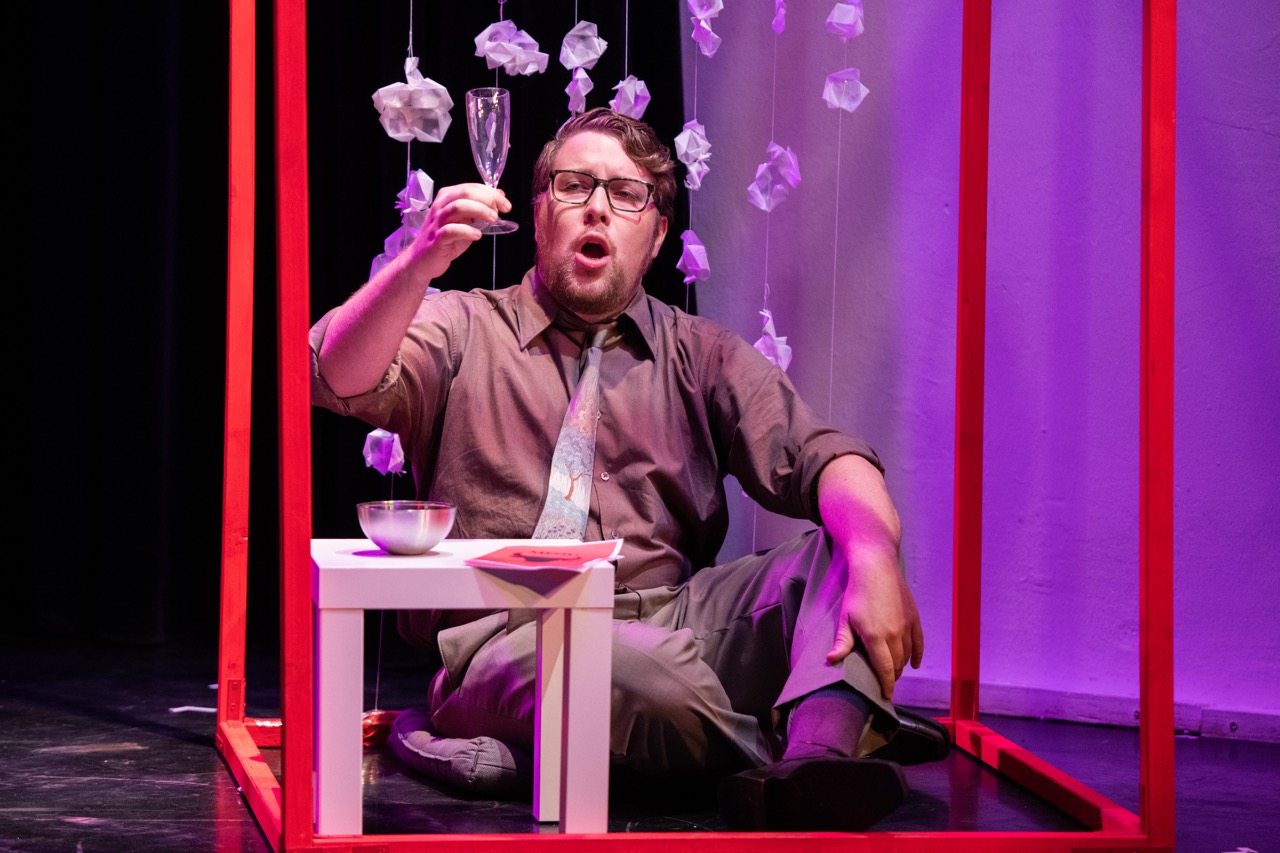
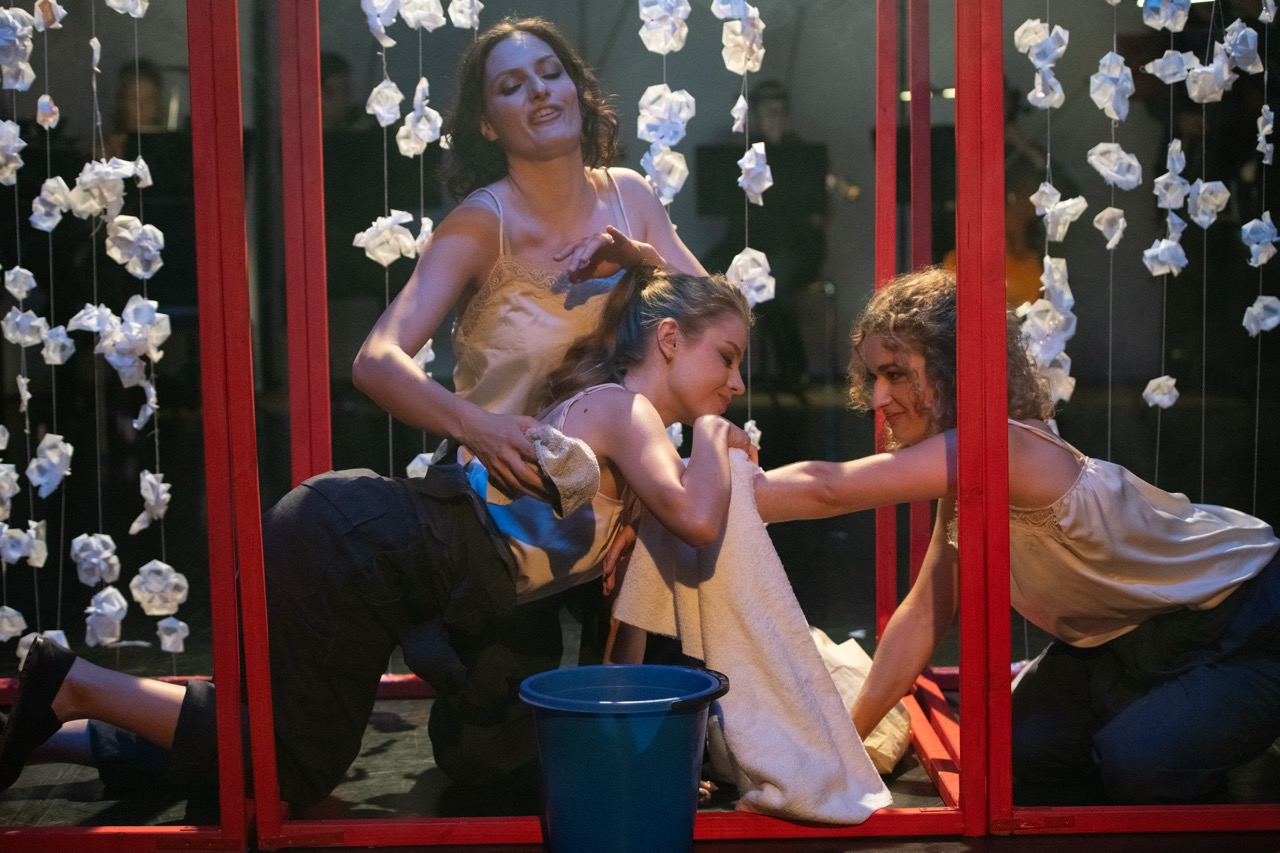
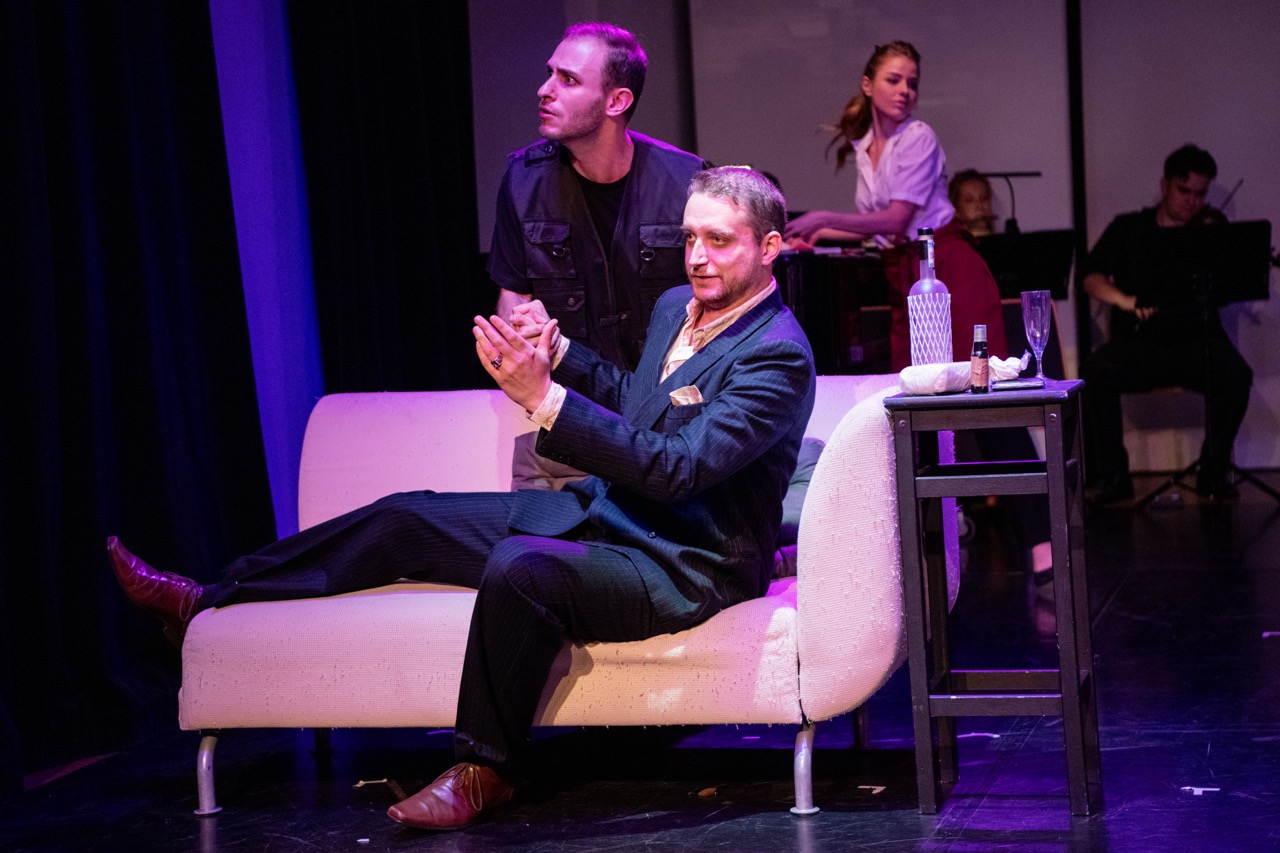

The cigar is presented as a luxury commodity of the wealthy, symbolising temptation and the pull of power and death. The corruption of flowers is used as an image of eroded values, for example through cigarette butts placed in a flower pot, an image of pollution and decay. The theme of social status is further explored through the symbolism of cigars and cigarettes, underscoring the contrast between the worlds of Carmen and Micaëla.